Abstract: บทนำ ในอุตสาหกรรมสิ่งทอภายในบ้านและเฟอร์นิเจอร์ตกแต่งในปัจจุบัน ผ้าที่ทำจาก โพลีเอสเตอร์FDYYARNS นำเสนอการผ...
บทนำ
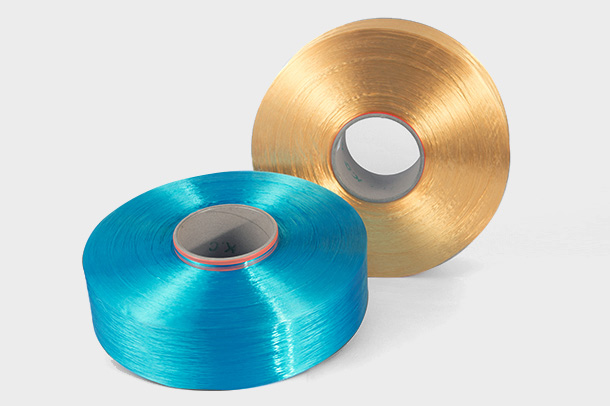
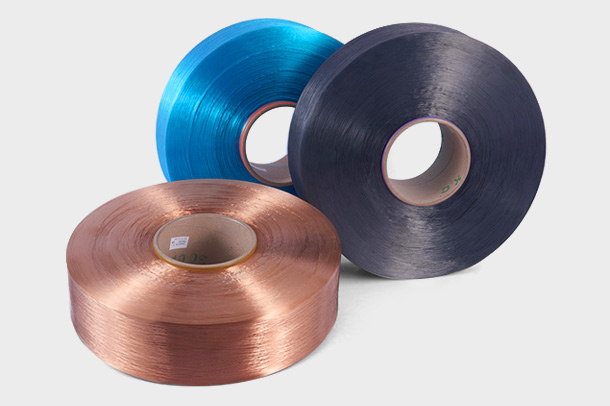
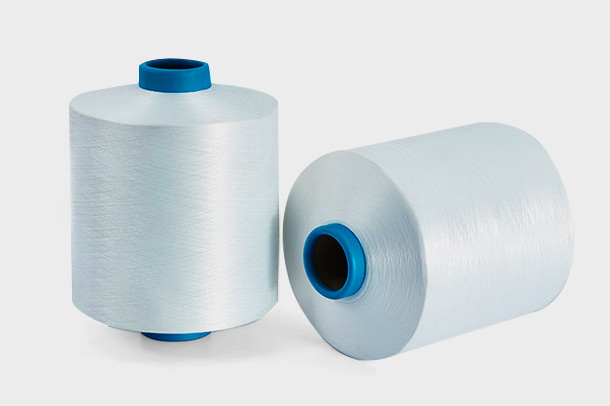
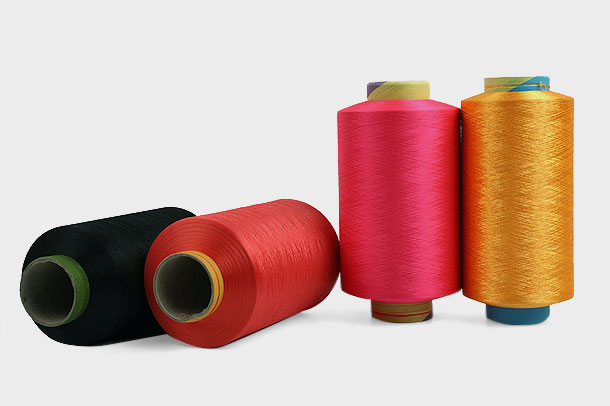
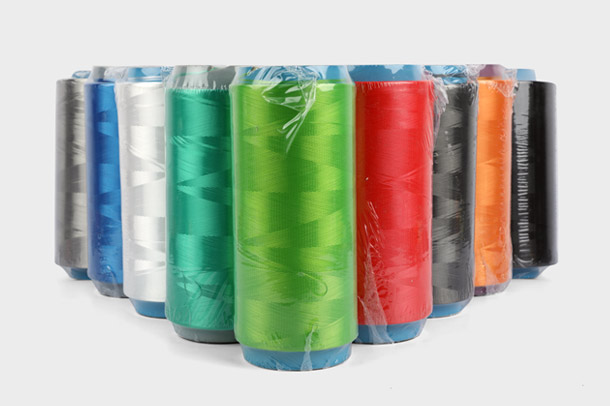
ในอุตสาหกรรมสิ่งทอภายในบ้านและเฟอร์นิเจอร์ตกแต่งในปัจจุบัน ผ้าที่ทำจาก โพลีเอสเตอร์FDYYARNS นำเสนอการผสมผสานที่ลงตัวระหว่างความแข็งแกร่ง ความมั่นคง และความสวยงาม สำหรับบริษัทอย่าง Zhejiang Hengyuan Chemical Fiber Group Co., Ltd. ซึ่งก่อตั้งขึ้นในปี 2549 ในเมือง YaQian, Xiaoshan, Hangzhou — ด้วยที่ดิน 120,000 ตารางเมตร พื้นที่อาคาร 150,000 ตารางเมตร มีสาขา 6 สาขา สินทรัพย์ 150 ล้านเหรียญสหรัฐ และพนักงาน 1,000 คน — ผลิตเส้นด้ายโพลีเอสเตอร์ 150,000 ตัน และผ้า 50 ล้านเมตร/ปี ตั้งแต่ 30D ถึง 600D สีขาวดิบและสีย้อมเจือปน ไม่เพียงแต่เน้นที่ผลผลิตเท่านั้น แต่ยังรวมถึงคุณภาพสูงที่สม่ำเสมอและอายุการใช้งานที่ยาวนานของผลิตภัณฑ์ขั้นสุดท้ายของสิ่งทอด้วย
บทความนี้มีจุดมุ่งหมายเพื่อให้คำแนะนำแบบมืออาชีพและโดยละเอียดเกี่ยวกับการบำรุงรักษาและการดูแลรักษาผ้าที่ทำจาก โพลีเอสเตอร์FDYYARNS โดยผสานรวมคำหลักหางยาวที่เกี่ยวข้องมากที่สุด เช่น เคล็ดลับการบำรุงรักษาผ้าเส้นด้ายโพลีเอสเตอร์ FDY , คู่มือการดูแลผ้าหุ้มเบาะเส้นด้ายโพลีเอสเตอร์ FDY , วิธีทำความสะอาดผ้าม่านเส้นด้ายโพลีเอสเตอร์ FDY , ยืดอายุการใช้งานของสิ่งทอที่บ้านเส้นด้ายโพลีเอสเตอร์ FDY และ แนวทางปฏิบัติที่ดีที่สุดในการจัดเก็บผ้าเส้นด้ายโพลีเอสเตอร์ FDY .
ความเข้าใจ โพลีเอสเตอร์FDYYARNS และ Fabric Applications
มีอะไรบ้าง โพลีเอสเตอร์FDYYARNS ?
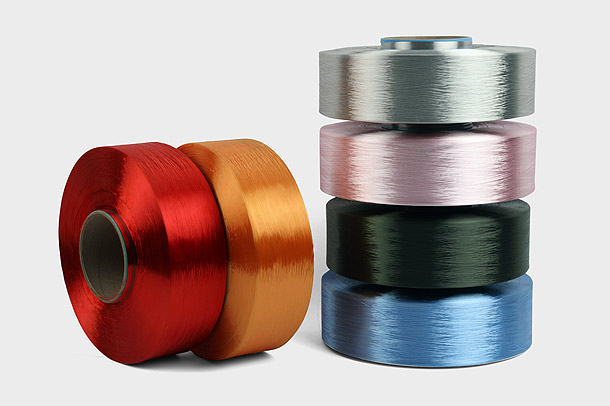
- โพลีเอสเตอร์FDYYARNS ย่อมาจาก Fully Drawn Yarn: เส้นใยที่ถูกดึงออกมาเต็มที่ระหว่างการผลิต ส่งผลให้มีการวางแนวสูง ความดื้อรั้นสูง และความเสถียรของมิติที่ดี :contentReference[oaicite:0]
- แตกต่างจาก POY (เส้นด้ายเชิงบางส่วน) FDY พร้อมสำหรับการทอหรือถักโดยไม่ต้องวาดเพิ่มเติม
- คุณสมบัติทั่วไป ได้แก่ ทนทานต่อสารเคมีที่ดี การหดตัวต่ำ และพื้นผิวเส้นใยเรียบ
การใช้งานทั่วไปในสิ่งทอภายในบ้านและเบาะ
- ใช้ในผ้าหุ้มเบาะ ผ้าห่ม แผ่นรองพรม ผ้าตกแต่ง
- เนื่องจากความทนทานและความมั่นคง เหมาะอย่างยิ่งสำหรับการใช้งานที่มีการสึกหรอสูง เช่น เบาะและผ้าม่าน
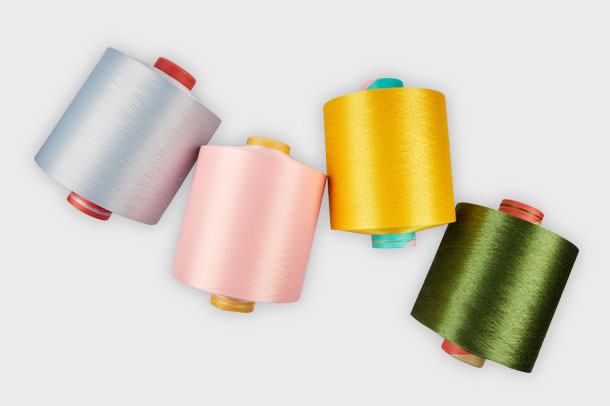
- ความสามารถในการผลิต (ในบริบทของบริษัท) ของเส้นด้าย 150,000 ตันและผ้า 50 ล้านลูกบาศก์เมตร/ปี หมายถึงการนับเส้นด้ายที่หลากหลาย (30D–600D) ทั้งสีขาวดิบและสีที่ย้อมด้วยสีเข้าเส้นด้าย ทำให้สามารถนำไปใช้งานได้อย่างหลากหลาย
ปัจจัยสำคัญที่ส่งผลต่ออายุการใช้งานของผ้า
ความเครียดทางกลและการสึกหรอ
- การเสียดสีบ่อยครั้ง การบรรทุกหนัก การใช้ซ้ำๆ จะลดความสมบูรณ์ของเส้นใย
- การเลือกจำนวนเส้นด้ายที่เหมาะสม (เช่น 300D กับ 50D) มีอิทธิพลต่อความทนทาน
การสัมผัสกับสิ่งแวดล้อม (UV, ความชื้น, สารเคมี)
- รังสี UV อาจทำให้พื้นผิวเสื่อมสภาพเมื่อเวลาผ่านไป
- ความชื้นและความชื้นอาจทำให้เกิดเชื้อราได้ แม้ว่าโพลีเอสเตอร์จะดูดซับความชื้นได้ต่ำก็ตาม
- ความเป็นด่างเข้มข้นหรือสารเคมีทำความสะอาดที่รุนแรงสามารถลดความดื้อรั้นได้
สภาวะการจัดเก็บและการจัดการ
- การจัดเก็บที่ไม่ดี (บีบอัด พับเป็นเวลานาน) อาจทำให้เกิดรอยยับและความเสียหายของเส้นใยได้
- ความชื้นที่ถูกต้อง การป้องกันฝุ่นและแมลงศัตรูพืชมีความสำคัญต่ออายุการใช้งานที่ยาวนาน
การทำความสะอาดและบำรุงรักษาตามปกติ – " เคล็ดลับการบำรุงรักษาผ้าเส้นด้ายโพลีเอสเตอร์ FDY "
แนวทางปฏิบัติในการดูแลประจำวัน
- การดูดฝุ่นหรือแปรงผ้าเบา ๆ สำหรับผ้าหุ้มเบาะ
- การกำจัดฝุ่นออกจากผ้าม่านหรือผ้าม่านเพื่อป้องกันการสะสมของฝุ่นละออง
- ซับคราบที่หกออกทันทีเพื่อหลีกเลี่ยงการแทรกซึมเข้าไปในมัดเส้นใย
การทำความสะอาดอย่างล้ำลึกเป็นระยะ
- การทำความสะอาดอย่างมืออาชีพหรือผ้าที่ซักด้วยเครื่องได้ตามคำแนะนำของผู้ผลิต
- หลีกเลี่ยงการใช้ความร้อนมากเกินไปหรือตัวทำละลายเข้มข้นอาจทำให้คุณสมบัติของเส้นด้ายลดลง
แนวทางการรักษาเฉพาะจุด
- ใช้น้ำยาซักผ้าสูตรอ่อนโยน (pH เป็นกลาง) และผ้านุ่ม
- ทดสอบในพื้นที่ที่ไม่เด่นชัดก่อน โดยเฉพาะผ้าที่มีสีผสมสารเจือสี
- ล้างออกให้สะอาดและแห้งทันทีในที่โล่งเพื่อป้องกันความชื้นกักเก็บ
ตารางเปรียบเทียบ: การดูแลประจำวันเทียบกับการทำความสะอาดอย่างล้ำลึก
| ด้าน | การดูแลประจำวัน | ทำความสะอาดอย่างล้ำลึก |
| ความถี่ | รายสัปดาห์หรือตามความจำเป็น | เป็นรายปีหรือรายครึ่งปี |
| การดำเนินการหลัก | ฝุ่น/สูญญากาศ/หยด | ซักเครื่องหรือมืออาชีพ ล้างให้สะอาดหมดจด |
| เสี่ยงต่อเส้นใย | น้อยที่สุด | สูงกว่าหากใช้งานผิดวิธี (ความร้อน สารเคมี) |
| เหมาะสมที่สุดสำหรับ | การดูแลรักษาผ้าอย่างสม่ำเสมอ | คืนรูปลักษณ์และขจัดสิ่งปนเปื้อนอย่างล้ำลึก |
การดูแลเบาะและผ้าม่านโดยเฉพาะ – " คู่มือการดูแลผ้าหุ้มเบาะเส้นด้ายโพลีเอสเตอร์ FDY "&" วิธีทำความสะอาดผ้าม่านเส้นด้ายโพลีเอสเตอร์ FDY "
ผ้าหุ้มเบาะ
- หมุนเบาะอย่างสม่ำเสมอเพื่อกระจายการสึกหรอ
- หลีกเลี่ยงการวางกลางแดดโดยตรงเป็นเวลานาน เว้นแต่มีการป้องกันรังสียูวี
- ใช้ผ้าคลุมแขนหรือผ้าคลุมเพื่อป้องกันโซนที่มีการสัมผัสสูง
ผ้าม่านและผ้าม่าน
- ตรวจสอบให้แน่ใจว่าแขวนอย่างเหมาะสมเพื่อให้อากาศไหลเวียนลดการสะสมของฝุ่น
- หากใช้ผ้าที่ย้อมด้วยเส้นด้ายคุณภาพสูง (กลุ่มผลิตภัณฑ์ 30D‑600D) ความคงทนของสีจะดีกว่าเส้นใยมาตรฐาน
- ซักเครื่องหรือซักแห้ง ขึ้นอยู่กับการตกแต่ง; หลีกเลี่ยงการปั่นแห้งเว้นแต่ว่าจัดอยู่ในประเภทที่ปลอดภัย
ตารางสิ่งที่ควรทำและไม่ควรทำ
| ทำ | ทำn't |
| เบาะหุ้มสุญญากาศพร้อมอุปกรณ์ยึดแบบนุ่ม | ใช้แปรงขนแข็งที่สามารถทำลายพื้นผิวเส้นด้ายได้ |
| ซักผ้าม่านด้านในออกด้วยน้ำเย็น | ใช้น้ำร้อนหรือปั่นสูงจนเสียรูปทรง |
| ทดสอบน้ำยาทำความสะอาดเฉพาะจุด | ใช้สารฟอกขาวชนิดเข้มข้นหรือสารทำความสะอาดที่เป็นด่างรุนแรง |
เคล็ดลับการยืดอายุการใช้งานและการจัดเก็บ – " ยืดอายุการใช้งานของสิ่งทอที่บ้านเส้นด้ายโพลีเอสเตอร์ FDY "&" แนวทางปฏิบัติที่ดีที่สุดในการจัดเก็บผ้าเส้นด้ายโพลีเอสเตอร์ FDY "
มาตรการเชิงรุกเพื่อยืดอายุการใช้งาน
- เลือกดีเนียร์เส้นด้ายที่เหมาะสมสำหรับการใช้งาน (ดีเนียร์สูงกว่าสำหรับการใช้งานหนัก)
- ใช้การเคลือบหรือการเคลือบป้องกันเมื่อมีไว้สำหรับสภาพแวดล้อมที่มีการสึกหรอสูง (เช่น เบาะในที่สาธารณะ)
- หลีกเลี่ยงการสัมผัสสารเคมี (เช่น ด่างเข้มข้น ตัวทำละลาย) ซึ่งอาจทำให้เส้นใยมีความเหนียวสูงลดลง
- ตรวจสอบให้แน่ใจว่าการตกแต่งขั้นสุดท้ายเหมาะสม (การตั้งค่าความร้อน การใช้สีแบบฉีดเข้าเส้นด้าย) เพื่อให้เส้นด้ายคงรูปร่างและความคงตัวของสี — ตามที่ผลิตโดยบริษัทที่นำเสนอสีแบบเข้าสีและสีขาวดิบในรุ่น 30D‑600D โดยมีกำลังการผลิต 150,000 ตันต่อปี
เทคนิคการจัดเก็บและการป้องกันที่ถูกต้อง
- เก็บผ้าแบบม้วนแทนที่จะพับเพื่อหลีกเลี่ยงรอยยับ
- เก็บในที่แห้ง เย็น และมีอากาศถ่ายเทสะดวก ป้องกันจากแสงแดดโดยตรง
- ใช้ผ้าหุ้มระบายอากาศ หลีกเลี่ยงถุงพลาสติกปิดผนึกในระยะยาวเพราะจะกักความชื้น
- ติดป้ายประเภทแฟบริคและแบทช์เพื่อติดตามการใช้งานและวงจรการใช้งาน (เกี่ยวข้องโดยเฉพาะอย่างยิ่งเมื่อผลิตในการดำเนินงานขนาดใหญ่และหลายสาขา)
ตาราง: การจัดเก็บที่ดีเทียบกับวิธีปฏิบัติในการจัดเก็บที่ไม่ดี
| การจัดเก็บที่ดี | การจัดเก็บไม่ดี |
| รีดบนท่อ อุณหภูมิแวดล้อม 18-22°C | พับเป็นกอง แสงแดดส่องถึงพื้นผิวโดยตรง |
| ควบคุมความชื้น (~50%) | ความชื้นสูง (>70%) ไม่มีการระบายอากาศ |
| ฝาครอบระบายอากาศและการตรวจสอบเป็นประจำ | ถุงพลาสติกปิดผนึกระยะยาวไม่มีการตรวจสอบ |
สรุปและแนวโน้ม
ผ้าที่ทำจาก โพลีเอสเตอร์FDYYARNS — โดยเฉพาะอย่างยิ่งเมื่อผลิตโดยผู้ผลิตที่เชื่อถือได้และมีความจุสูงซึ่งมีความสามารถในการย้อมด้วยสีแบบโด๊ปไดย์และมีช่วงปฏิเสธที่กว้าง — มอบโอกาสที่ดีเยี่ยมให้กับสิ่งทอสำหรับใช้ในบ้าน เบาะ และการใช้งานอื่นๆ ด้วยการปฏิบัติตามการทำความสะอาดแบบมีโครงสร้าง การบำรุงรักษา การดูแลเบาะ/ผ้าม่านโดยเฉพาะ และกลยุทธ์การจัดเก็บอัจฉริยะ ผู้ใช้จึงสามารถรับประกันอายุการใช้งานที่ยาวนานและรักษารูปลักษณ์และประสิทธิภาพของผ้าได้ การบูรณาการคำศัพท์เช่น เคล็ดลับการบำรุงรักษาผ้าเส้นด้ายโพลีเอสเตอร์ FDY , คู่มือการดูแลผ้าหุ้มเบาะเส้นด้ายโพลีเอสเตอร์ FDY , วิธีทำความสะอาดผ้าม่านเส้นด้ายโพลีเอสเตอร์ FDY , ยืดอายุการใช้งานของสิ่งทอที่บ้านเส้นด้ายโพลีเอสเตอร์ FDY และ แนวทางปฏิบัติที่ดีที่สุดในการจัดเก็บผ้าเส้นด้ายโพลีเอสเตอร์ FDY ในภาษาการปฏิบัติงานของคุณยังช่วยให้แน่ใจว่าระบบนิเวศทั้งหมด — ตั้งแต่การผลิตเส้นใยไปจนถึงการดูแลใช้งานขั้นสุดท้าย — ยังคงสอดคล้องกันเพื่อมูลค่าสูงสุด
คำถามที่พบบ่อย (FAQ)
- ไตรมาสที่ 1: ฉันควรทำความสะอาดผ้าที่ทำจากเส้นด้ายโพลีเอสเตอร์ FDY บ่อยแค่ไหน
ตอบ: สำหรับเบาะหรือผ้าม่านทั่วไป การทำความสะอาดอย่างล้ำลึกทุกๆ 12-18 เดือนก็เพียงพอแล้ว โดยมีการดูแลแสงสว่างสม่ำเสมอเป็นระยะๆ - ไตรมาสที่ 2: ผ้าเส้นด้ายโพลีเอสเตอร์ FDY ย้อมด้วยการฉีดเข้าเส้นด้ายดูแลรักษาง่ายกว่าหรือไม่
ตอบ: ใช่ — รุ่นที่มีการย้อมด้วยสารโดพมักจะมีความคงทนของสีและความเสถียรที่ดีกว่า ทำให้มีความยืดหยุ่นต่อการทำความสะอาดและการสัมผัสมากขึ้น - ไตรมาสที่ 3: ฉันสามารถใช้สารฟอกขาวกับเบาะเส้นด้ายโพลีเอสเตอร์ FDY ได้หรือไม่
ตอบ: ไม่แนะนำ: ด่างแก่และสารฟอกขาวอาจทำให้ความแข็งแรงและคุณภาพเส้นใยลดลงได้ ใช้น้ำยาทำความสะอาดที่มีค่า pH เป็นกลางอ่อนๆ แทน - ไตรมาสที่ 4: วิธีการเก็บรักษาที่ดีที่สุดสำหรับระยะส่วนเกินของผ้าเส้นด้ายโพลีเอสเตอร์ FDY คืออะไร
ตอบ: ม้วนผ้าบนหลอด เก็บในที่แห้งและมีอากาศถ่ายเทและมีความชื้นปานกลาง และหลีกเลี่ยงแสงแดดโดยตรงหรือถุงพลาสติกปิดผนึกเพื่อการเก็บรักษาในระยะยาว - คำถามที่ 5: ฉันจะแยกแยะระหว่างการดูแลประจำวันและการทำความสะอาดอย่างล้ำลึกเมื่อพูดถึงเนื้อผ้าเหล่านี้ได้อย่างไร
ตอบ: การดูแลประจำวันเกี่ยวข้องกับการปัดฝุ่น การดูดฝุ่น และการรักษาเฉพาะจุดอย่างรวดเร็ว การทำความสะอาดแบบล้ำลึกเกี่ยวข้องกับการล้างทั้งหมดหรือการบริการอย่างมืออาชีพ ซึ่งโดยทั่วไปจะน้อยกว่าแต่เข้มข้นกว่า